




TEETH WHITENING
Professional whitening treatments designed to brighten your smile safely and effectively.
SERVICES WE OFFER
WHAT IS SCALING AND ROOT PLANING?
Scaling and root planing is a two-part deep cleaning treatment used to manage gum disease. It goes beyond a standard dental cleaning by removing plaque, tartar, and bacteria from below the gum line and smoothing the tooth roots to help the gums reattach properly.
- Scaling removes hardened plaque (tartar) from the tooth surfaces and beneath the gum line.
- Root planing smooths the roots of your teeth, discouraging further buildup and supporting healing.
This treatment is often the first step in stopping the progression of gum disease without surgery.
WHO NEEDS SCALING AND ROOT PLANING?
WHY CHOOSE LAKE MAGDALENE DENTAL?
At Lake Magdalene Dental, we provide thorough and gentle periodontal care to help you restore and maintain your gum health. Patients in Lake Magdalene, Tampa, FL trust us for our experience, modern technology, and personalized approach.
- Comprehensive Gum Care
Our skilled dental team is trained to diagnose and treat all stages of gum disease.
- Tailored Treatment Plans
Every patient’s gum health is unique—we customize your care accordingly.
- Advanced Technology
We use digital imaging and ultrasonic scalers for more precise, comfortable cleanings.
- Clear Communication
We’ll explain your condition, treatment options, and how to maintain results at home.
- Gentle, Compassionate Approach
We know dental visits can cause anxiety; we work at your pace with care and empathy.
BENEFITS OF SCALING AND ROOT PLANING



Gum Disease Control
Stops gum disease from spreading and protects oral health.
Inflammation Relief Boost
Reduces gum swelling, bleeding, and discomfort effectively.
Deep Bacteria Removal
Removes harmful bacteria below the gums thoroughly.


Gum Reattachment Aid
Encourages gums to reattach and tighten around teeth.
Breath Freshening Effect
Freshens breath and improves daily oral hygiene.
Tooth and Bone Defense
Prevents further damage to teeth and bone.
WHAT TO EXPECT
Before the Procedure
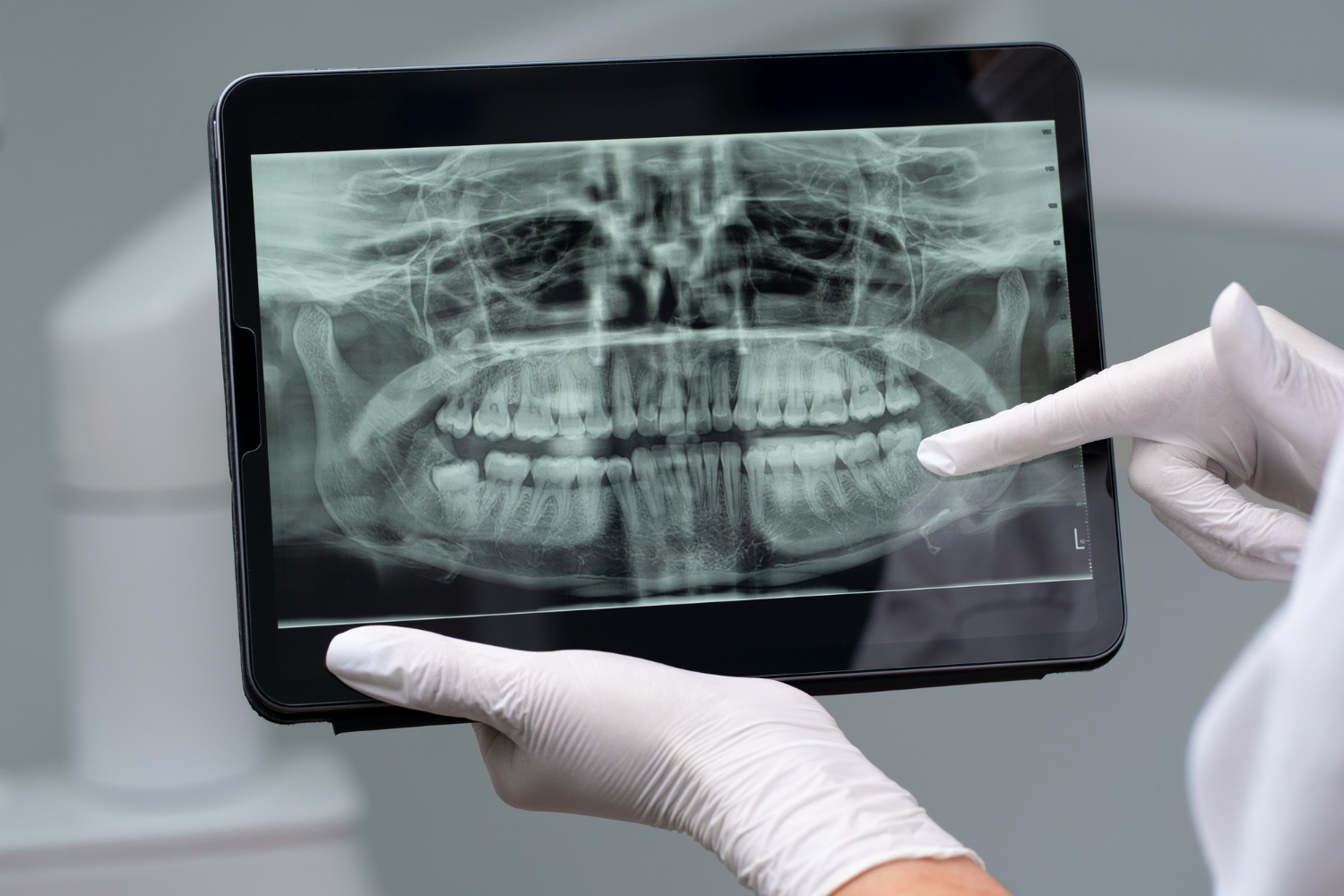
We’ll begin with a thorough exam, including measuring your gum pockets and taking digital X-rays to check for signs of bone loss. If scaling and root planing is needed, we’ll walk you through the procedure, explain what to expect, and answer questions to help you feel confident, informed, and fully prepared before treatment begins.
During the Procedure
We’ll use local anesthesia to ensure you’re comfortable throughout the procedure. Scaling removes plaque and tartar buildup from beneath your gums, while root planing smooths the tooth roots to encourage healing. Based on your needs, the treatment may be completed in a single visit or spread out over multiple appointments.

Aftercare and Healing
After your treatment, you may experience mild tenderness or sensitivity for a few days. We’ll give you aftercare instructions that include gentle brushing techniques, the use of antibacterial rinses, and pain relief tips. Most patients notice healthier gums within weeks, followed by cleanings every 3–4 months to maintain progress.
FREQUENTLY ASKED QUESTIONS
Is scaling and root planing painful?
The procedure is typically not painful because we use local anesthesia to numb the treatment area, ensuring you feel comfortable throughout. During treatment, you may feel pressure or vibration from the ultrasonic scaler, but you should not experience sharp pain. After the anesthesia wears off, some mild tenderness, gum sensitivity, or slight soreness is normal for a few days—similar to the feeling after a deep cleaning. Over-the-counter pain relievers and warm saltwater rinses can help manage any discomfort during healing.
How long does scaling and root planing treatment take?
Treatment time depends on the severity of your gum disease and the number of affected areas. For mild to moderate gum disease, scaling and root planing can often be completed in one session lasting 1–2 hours. For more advanced cases with deeper pockets or extensive buildup, we may divide treatment into two to four appointments—typically treating one or two quadrants (sections) of your mouth per visit to ensure thorough cleaning and your comfort. We'll create a personalized treatment plan during your evaluation.
Will I need scaling and root planing again in the future?
If you maintain excellent oral hygiene at home—brushing twice daily, flossing, and using antibacterial rinse as directed—and return for regular periodontal maintenance cleanings every 3–4 months, retreatment is usually not necessary. However, if gum disease returns due to inadequate home care, missed appointments, smoking, or other risk factors (like diabetes), additional scaling and root planing may be needed. The key to long-term success is consistent follow-up care and good daily habits.
Is scaling and root planing the same as a regular dental cleaning?
No, they are different procedures. A regular dental cleaning (prophylaxis) is preventive maintenance for healthy gums—it removes plaque and tartar from tooth surfaces above the gum line and polishes teeth. Scaling and root planing is a therapeutic, non-surgical treatment specifically for gum disease. It goes deeper, removing hardened plaque and bacteria from beneath the gums and smoothing tooth roots to help diseased gum tissue heal and reattach. If you have gum disease with symptoms like bleeding, swelling, or deep pockets, you need SRP, not just a standard cleaning.
Can scaling and root planing help with bad breath?
Yes, absolutely. Chronic bad breath (halitosis) is often caused by bacteria, plaque, and tartar buildup deep below the gum line—areas that brushing and regular cleanings cannot reach. Scaling and root planing removes these odor-causing bacteria and infected tissue, significantly improving breath freshness. Many patients notice a dramatic improvement in their breath within days to weeks after treatment. To maintain fresh breath long-term, continue with good oral hygiene and regular periodontal maintenance cleanings.
Lake Magdalene Dental

About
Social Networks
Visit Lake Magdalene Dental on these social links and connect with us. Make sure to follow our accounts for regular updates.